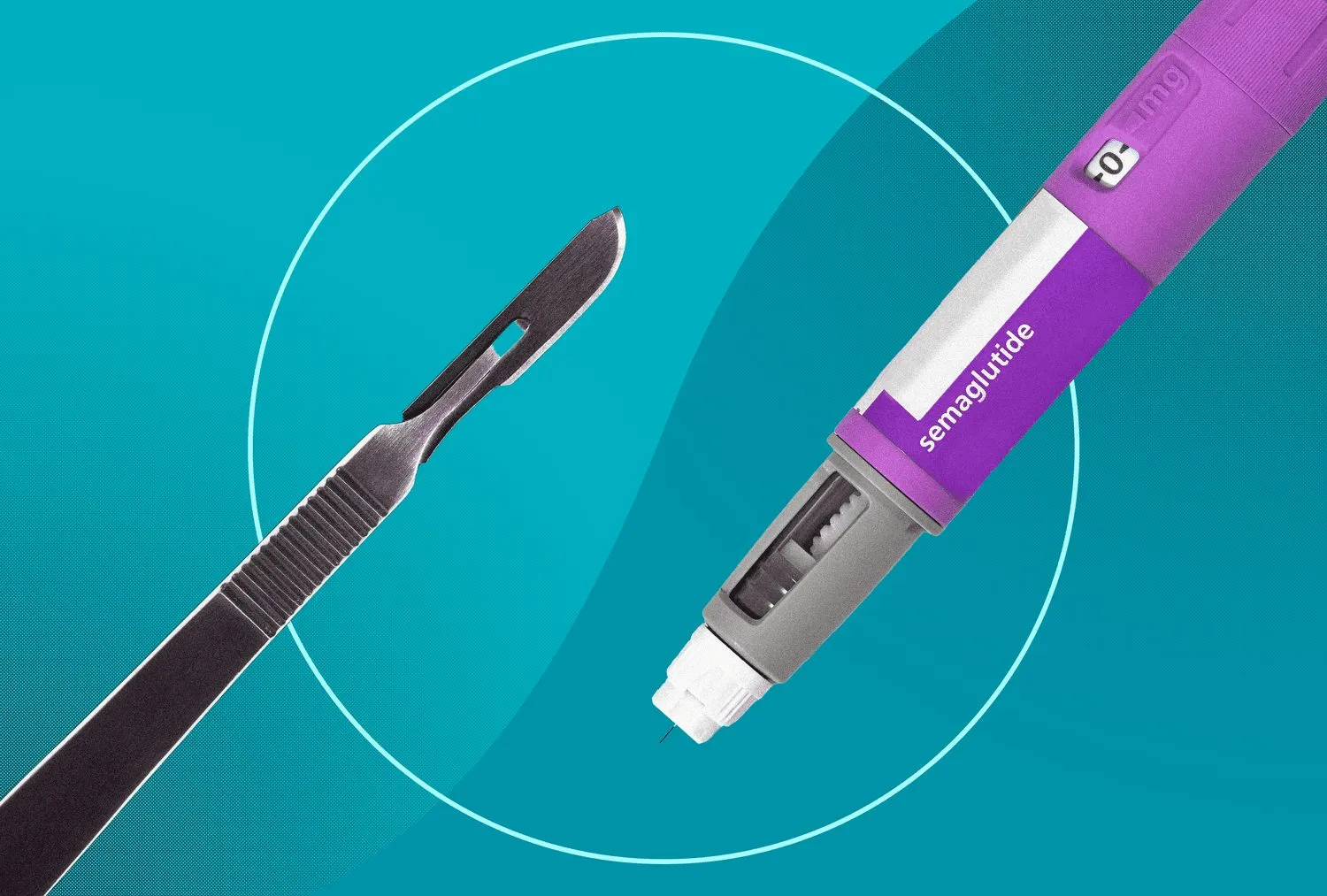


Over the past few years, GLP-1 medications such as semaglutide (Ozempic®) and tirzepatide (Mounjaro®) have changed the landscape of weight management. For many people struggling with obesity, these medications offer the first glimpse of meaningful weight loss without surgery. At the same time, bariatric surgery, especially the gastric sleeve and gastric bypass, has more than three decades of proven results, dramatically improving weight, metabolic health, and survival.
With the rising popularity of GLP-1 medications in Australia, patients across Hobart and Melbourne, “and more broadly,” are asking an important question: “Is it better to stay on GLP-1 medications long-term, or should I consider bariatric surgery?”
A landmark study titled ‘A cost comparison of GLP-1 receptor agonists and bariatric surgery: what is the break-even point?” published in 2024 provides crucial insights. It compares the effectiveness, durability, cost, and health outcomes of GLP-1 therapy versus bariatric surgery. The findings offer a valuable guide for anyone weighing up the next step in their health journey.
Below, we break down the evidence from this study in a clear and practical way so you can make an informed decision backed by science.
1. Weight Loss: How Do GLP-1 Drugs Compare with Bariatric Surgery?
GLP-1 Medications
Clinical trials consistently show:
- 15–20% total body weight loss with semaglutide (Ozempic®)
- 22–25% total body weight loss with tirzepatide (Mounjaro®)
Key Points
- These results are impressive, but heavily dependent on ongoing treatment.
- Stopping the medication typically results in rapid weight regain.
- One major issue is that GLP-1 therapy works only while you’re on it, much like blood pressure medication.
Bariatric Surgery
The comparative study shows that:
- Gastric sleeve surgery leads to 25–30% total body weight loss
- Gastric bypass can achieve 30–35% total body weight loss
- These results are durable over 10–20 years
Unlike medication, bariatric surgery triggers metabolic and hormonal changes that persist even after healing, giving patients a sustainable advantage. It remains the most effective long-term treatment for severe obesity.
2. So What Happens When You Stop GLP-1 Treatment?

This is one of the big revelations from recent research.
The 2024 comparative study showed:
- Most patients regained a significant portion of their weight within 12 months of stopping semaglutide
- Appetite, cravings, and metabolic rate quickly return to pre-treatment levels
- Only a small minority were able to maintain weight loss without ongoing medication
For many, this means lifelong injections, which have both cost and adherence implications.
3. Cost: A Critical Consideration for Australian Patients
For individuals in Tasmania and Victoria, cost-of-living pressures make long-term treatment decisions even more important.
Costs of GLP-1 Medications in Australia

Approximate private prescription cost (2025):
- Semaglutide: $300–$350/month
- Tirzepatide: $350–$400/month
Over 5 years, this can exceed $20,000.
Over a lifetime, costs can easily reach $60,000–$100,000, depending on dosage and adherence.
And remember: These medications are not subsidised for weight loss on the PBS.
Costs of Bariatric Surgery in Australia

With private health insurance, patients often pay:
- $3,500–$6,000 out of pocket, depending on excess and inclusions
- Without insurance: $18,000–$25,000, depending on the surgeon and hospital
However, surgery is a one-time cost with lifelong benefits.
In the comparative study, bariatric surgery was found to be:
- More cost-effective than long-term GLP-1 therapy
- More likely to produce durable weight loss.
- More effective at improving diabetes, sleep apnoea, and cardiovascular risk
For the typical patient in Hobart or Melbourne, the financial case becomes compelling within 2 years , especially when understanding how much weight loss surgery costs
Crossover between costs of GLP-1 and Bariatric Surgery
The diagram below from the study highlights the crossover point when it comes to costs of Gastric sleeve surgery and use of GLP-1 medications.
Table 1. Cost-effectiveness of GLP-1 vs Bariatric Surgery

To put it simply as shown in the Table below

- The costs of Gastric sleeve surgery are crossed over by 8.93 months of using Wegovy
- The costs of Gastric Bypass are crossed over by 10.72 months of using Wegovy.
4. Health Improvements: Which Treatment Is Superior?

Both bariatric surgery and medications like semaglutide can help you lose a significant amount of weight. Your doctor can help you decide if either is a good option for you.
GLP-1 Medications Improve:
- Blood sugar
- Blood pressure
- Appetite control
- Fatty liver markers
These benefits continue only as long as the medication does.
Bariatric Surgery Improves:
- Type 2 diabetes remission (up to 80% after gastric bypass)
- Hypertension
- Sleep apnoea
- PCOS
- Fatty liver disease
- Cardiovascular risk
- Metabolic age and inflammation
Importantly, surgery improves hormonal pathways, including GLP-1 and PYY release, naturally. This makes weight control more sustainable, and the metabolic benefits last years—often decades.
5. Long-Term Efficacy: What Does the Study Show?
The 2024 comparative analysis concluded:
- GLP-1 medications are highly effective but time-limited
- Bariatric surgery remains the gold standard for durable weight loss
- Surgery provides superior long-term improvement in diabetes, lipids, and cardiovascular markers
- The cost of GLP-1 medications will surpass surgery within 2–3 years, with no guarantee of durable benefit
In short:
- GLP-1 medications are an excellent short-term tool.
- Bariatric surgery remains the most effective long-term solution.
6. Which Option Is Right for You?

This depends on your goals and your unique clinical situation:
You may be more suited for GLP-1 medications if:
- You want to try weight loss before considering surgery
- You have mild-to-moderate obesity (BMI 27–35)
- You prefer a non-surgical approach
- You need short-term improvement for a specific health target (e.g., pre-op optimisation)
You may be more suited for bariatric surgery if:
- You want permanent, predictable weight loss
- You have moderate-to-severe obesity (BMI >35)
- You want to reduce or reverse diabetes
- You prefer a one-time, cost-effective solution
- You want to avoid lifelong medication
You can read more about surgery options here.
For many patients, the most effective approach combines both, for example, “GLP-1 therapy to assist with pre-surgery weight loss”, followed by surgery for durable results.
What our patients are saying!

At Body Genesis, we offer both GLP-1 medications and Bariatric Surgery.
For others, GLP-1 therapy has been a helpful stepping stone, improving mobility, confidence, and motivation before surgery.
Every person’s journey is unique, and the right choice depends on your goals, medical profile, and long-term vision for your health.
In Summary
GLP-1 medications are a breakthrough in modern weight management. They are safe, effective, and life-changing for many Australians. But they do have limitations, especially around cost, sustainability, and weight regain after stopping.
Bariatric surgery, on the other hand, offers decades of evidence, long-term metabolic benefit, and superior weight loss at a fraction of the lifetime cost of ongoing medication.
If you’re navigating these choices, you don’t have to do it alone. The team at Body Genesis in Hobart and Melbourne is here to guide you through your options with clarity and compassion.
Reference:
Docimo, S., Shah, J., Warren, G. et al. A cost comparison of GLP-1 receptor agonists and bariatric surgery: what is the break even point?. Surg Endosc 38, 6560–6565 (2024). https://doi.org/10.1007/s00464-024-11191-1