
Across Australia, the way people approach weight loss is changing. As a doctor, I am seeing more patients move away from short-term dieting and focus on building sustainable health habits that last longer.
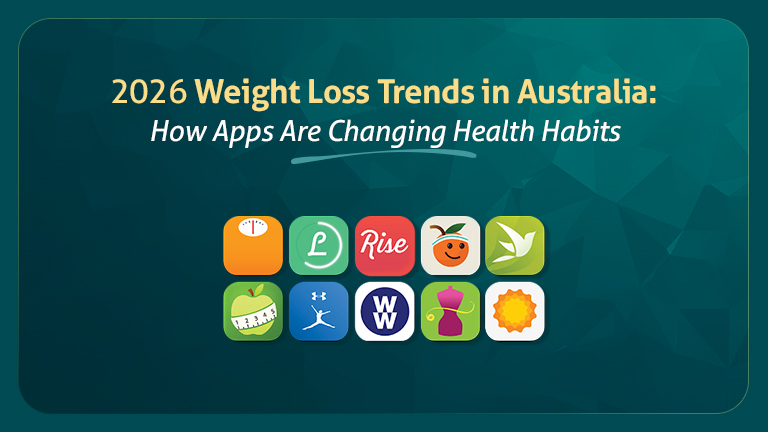
Many people now use digital tools such as weight management apps like Body Genesis Institute to stay aware of their habits rather than follow rigid diet plans. These apps help track food intake, physical activity, sleep, and even stress patterns. While they do not replace professional medical care, they can help patients stay aware of their daily habits between doctor consultations.
This article explains the weight loss trends emerging across Australia in 2026 and how technology is shaping healthier routines when used alongside medical guidance.
Why Traditional Weight Loss Methods Are Losing Trust
As a doctor, I often see patients who have tried multiple diets before coming for professional support. Many of these approaches may lead to short-term weight loss, but the results are difficult to maintain once normal routines return.
Several common issues explain why traditional dieting methods are losing trust:
- One-size diet plans rarely fit individual lifestyles, work schedules, or family routines.
- Strict or restrictive diets can lead to burnout once the initial motivation fades.
- Short-term programmes often end without continued guidance or follow-up support.
- Limited monitoring or feedback makes it difficult for people to adjust habits when progress slows.
Key Weight Loss Trends in Australia for 2026
Sustainable weight management usually requires approaches that fit everyday life. Instead of focusing only on quick results, many patients now look for long-term strategies that support healthier habits over time.

1. Small Habits Over Big Changes
Many patients today are moving away from drastic lifestyle changes and focusing on small, repeatable habits that are easier to maintain. Instead of overhauling their routines all at once, gradual adjustments often support better long-term results. Apps are sometimes used to help individuals recognise daily patterns rather than push immediate behavioural changes.
- Adding one manageable change at a time
- Building on routines that already work well
- Focusing on consistency rather than perfection
2. Flexible Eating Instead of Strict Dieting
Strict dieting approaches are losing popularity because they are often difficult to sustain. Many patients now prefer flexible eating patterns that adapt to their daily schedules and social routines.
- Intermittent fasting that fits everyday life
- An 80/20 approach that allows room for social meals
- Greater awareness of overall eating patterns
Some individuals also use behaviour-focused apps such as Noom to support these habits without rigid restrictions.
3. Technology as a Support Tool
In recent years, technology has become a helpful support tool rather than a strict monitoring system. Apps and wearable devices can help individuals recognise patterns and make gradual adjustments to their routines.
- Identifying habits rather than logging every detail
- Understanding how sleep and stress influence eating choices
- Accessing guidance when needed without constant tracking
Tools such as MyFitnessPal, Fitbit, or Noom are commonly used for this purpose.
4. Mental Health and Weight Management
There is increasing recognition that weight management is influenced by more than diet alone. Emotional wellbeing, stress levels, and sleep quality can all affect appetite and eating behaviour.
- Stress and poor sleep can influence hunger and cravings
- Emotions may affect daily food choices
- Understanding why eating habits occur can be as important as what people eat
How Apps are Helping people change Daily Habits
Earlier weight loss apps mainly focused on calorie tracking and required constant logging, which many people found difficult to maintain. As a doctor at the Body Genesis Institute, I often see patients who feel discouraged when strict tracking becomes hard to follow during busy routines.

In 2026, many newer weight management apps take a broader approach. Instead of focusing only on calories, they also consider sleep, stress levels, physical activity, and everyday habits. This helps people understand patterns that may influence their eating behaviour.
Because of this shift, many Australians now use these apps alongside professional guidance rather than relying on them alone. When used correctly, these tools can support awareness and help patients maintain healthier routines over time.
Finding an Approach That Actually Lasts
In 2026, many people in Australia are starting to realise that quick diets do not always work for a long time. Instead, they are focusing on small habits that fit into everyday life. Apps can help people notice their habits and stay consistent, while doctors at places like the Body Genesis Institute can provide extra support when health needs more attention.
If something you tried before did not work, it does not mean you failed. It may simply mean that the method or support was not the right fit for you at that time.
FAQs
- Do weight loss apps actually help, or are they just another trend?
They help when you use them as awareness tools, not rulebooks. Apps work best for spotting patterns and staying consistent, not for chasing perfect days.
- Can apps replace professional weight loss support?
No. Apps are useful for habit-building, but they can’t assess medical risks or long-term health conditions. For some people, they work best alongside professional care.
- How do I know if I need more than an app?
If weight has been a struggle for years, health issues are involved, or nothing has stuck long-term, it’s worth speaking to a specialist who can look at the full picture.
- Is flexible eating better than strict dieting?
For most people, yes. Flexible approaches are easier to maintain when work, family, and social life get busy, which is why they tend to last longer.